
It’s been so long since I opened my Substack that I couldn’t remember the password, and when I finally reset the login I thought “what all is going on in here?” Maybe this is the year I stick with it. But also, no promises.
At any rate, here’s some of what worked for me and what didn’t this year,1 plus some news and updates:
A FEW BIG EVENTS:
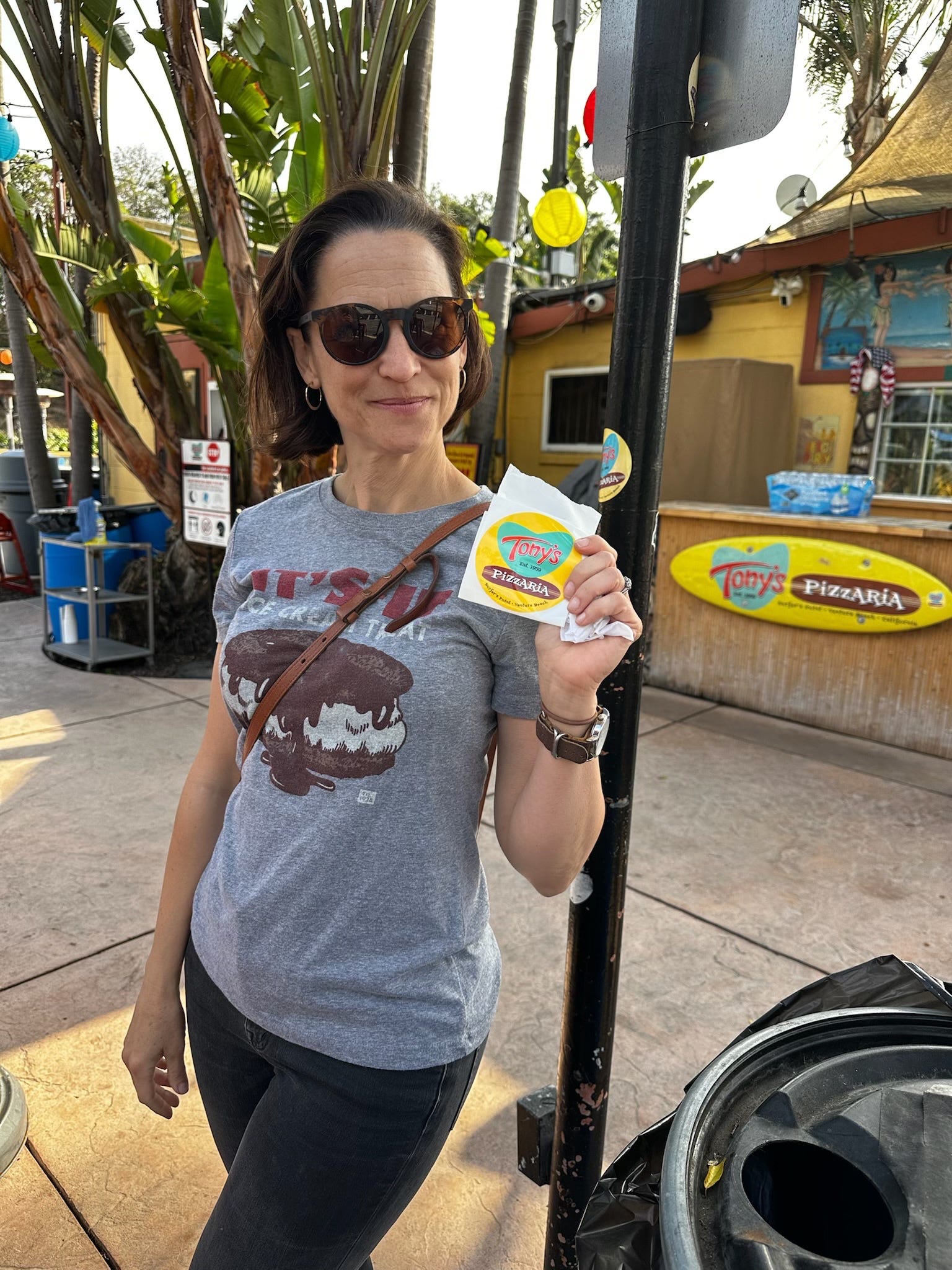
I turned 50 in July! I met this milestone with a big fat smile. Look, not everyone gets to turn 50. But praise God I got to do it in good physical and mental health. At 50 years old, I’m learning to integrate the satisfaction of adult accomplishments with the pain of adult losses. I’ve both wrestled with a major life decision and struggled to undo one. I have made peace with having pastors and doctors who are younger than me, and noticed that these days the sight of a handsome young man makes me think, “that guy reminds me of my son.” I. Wear. Readers. I haven’t exactly gained wisdom, but at least now I know that I need it. That seems like a good place to start 2026.
Also, all mid-life propaganda is welcome. Sing me your song of retinol, minoxidil, collagen. Bring me all the perimenopause influencers your algorithm can muster. Not because I deny death - but because I’m all too aware of it. It’s simply delightful to exist in a body that, for now, can be maintained in ways that are silly and optional. This iteration won’t last forever.
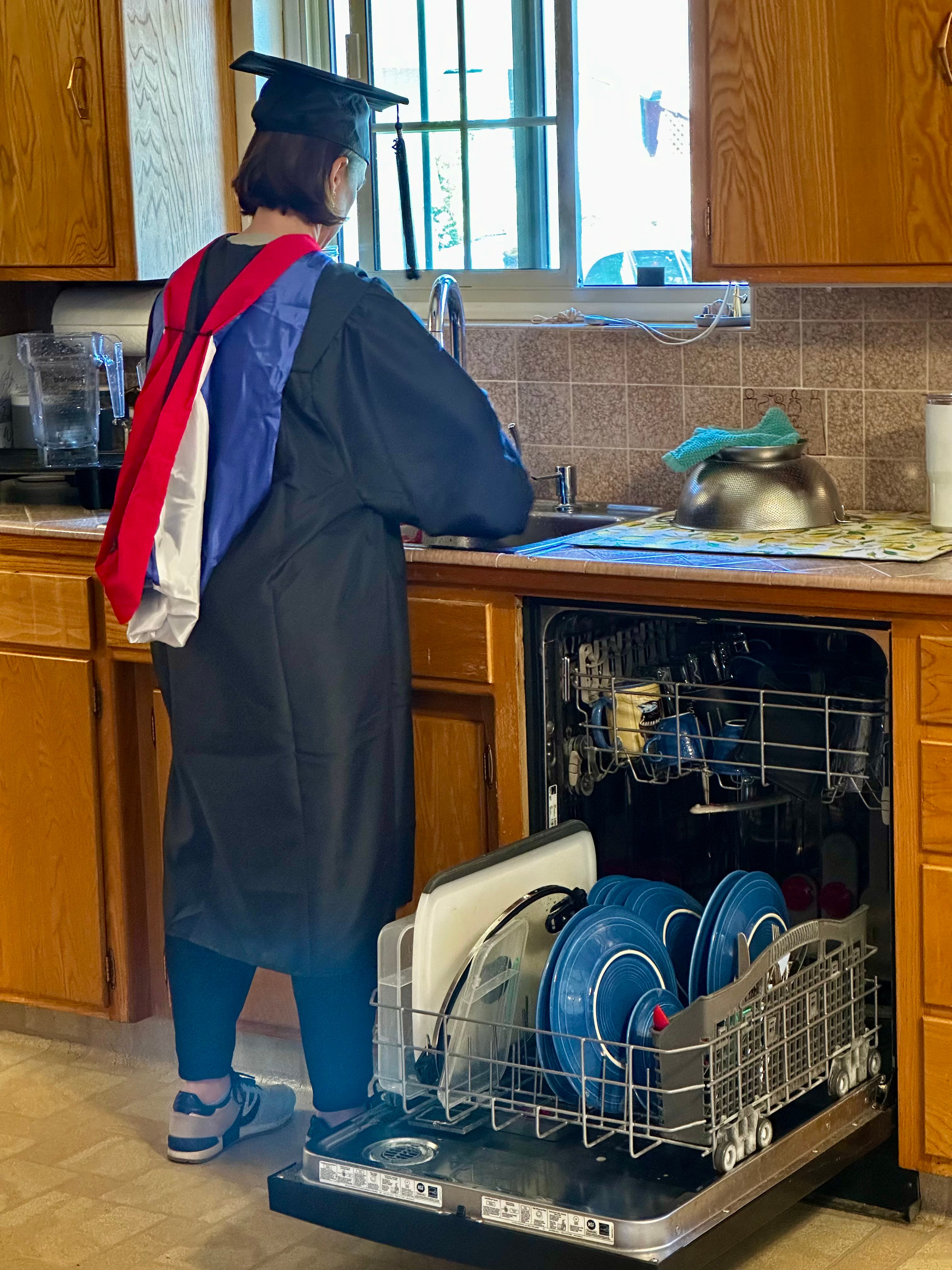
I got a Masters Degree in Theology. All I can say is during Covid some people took up sourdough and some people took up Biblical Hebrew. For sure the sourdough is more useful, but for me a couple of trial courses at Trinity Evangelical Divinity School proved so captivating that I somehow ended up with a full-blown seminary degree. Some semesters I took a full load and some semesters I took none. Eventually I had done the whole shebang - Hebrew (yay), Greek (boo), systematic theology, Biblical theology, missions, apologetics and exposition classes. I was mentored by a dean who - like me - was also a lawyer, and by a woman who had raised children to adulthood. I received scholarships appointed just for women in ministry (the affirmation was HUGE). I got to serve on an academic committee and work as a professor at a Christian law school. This program equipped me in ways I really didn’t anticipate when I started. It also required a lot of time and submission to tasks I sometimes didn’t want to do. But then, all of a sudden there I was in my California kitchen, live-streaming the commencement from Chicago, thinking Zoom has really done a lot for women.
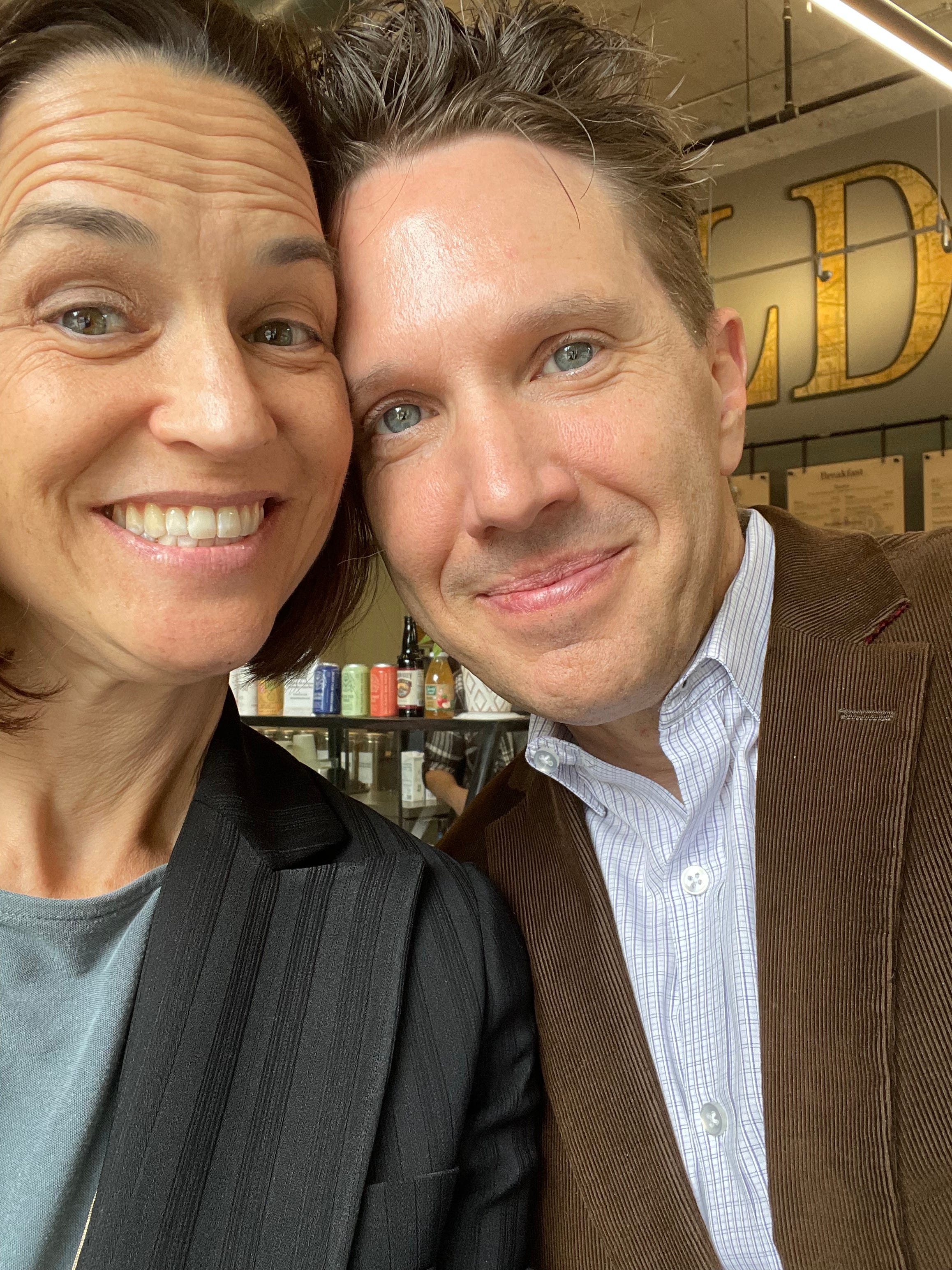
I went back to a “secular” job. For the past few years I’ve been on staff at a Christian university, serving as a lawyer and Title IX Coordinator. This for sure was a ministry, and it made logical sense of my gifts and skills. But in 2025 our family priorities and opportunities changed. As our teenagers grew into new stages and we attempted to plan for the future, my husband and I identified financial and professional goals that could be better addressed elsewhere. When God gave me an opening to go full-time, remote as an attorney for the government, I had no qualms about leaving “professional ministry.” All moral work has sacred potential for those who are in Christ. So far, my new job has been serving our family well and I’m excited to see how it grows in 2026.
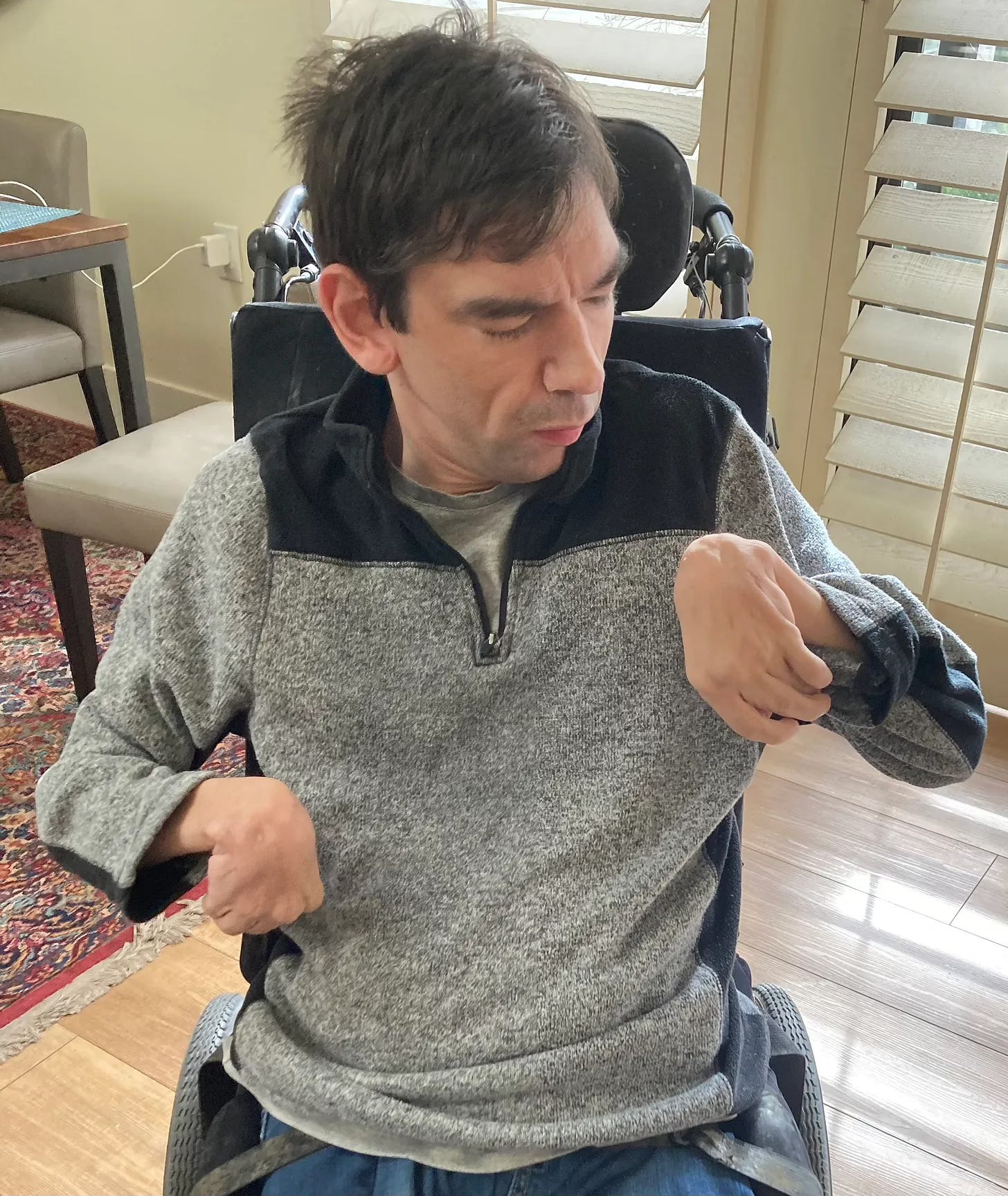
I said goodbye to Dustin (for now). If you know me at all, you know my relationship to my disabled brother has been one of the most formative aspects of my entire life. (I’ve shared about him here and here). What a gut punch to say that Dustin died this year. The last time I saw his body, the last thing I thought was, “the next time I see you, you’ll be alive.” And I really do believe that. I am sad, but I’ll be okay.
WHAT WORKED IN 2025:
As I adapted to teen schedules and a new job, my Bible study and reading plans required a new approach. Some things that have helped are:
Time-based Bible study: As women with highly variable schedules (read: caretaking tends to disrupt our plans), it’s challenging to move beyond “whatever strikes me”2 when considering scripture. I’ve been exploring ways to study and teach the Bible based on the time available each day, while incorporating sound exegesis. Even if you only have five minutes a day you can learn a lot over time, if you use your time well. So far I’ve drafted studies in Ephesians and Jonah, and gained some useful feedback from my professors and a focus group. I’m praying about a time-based study on Colossians in 2026/2027.
Audio Bible for OT context: I’ve taken up the habit of listening to the Old Testament in the background while I shower and get dressed each day. And yes, my husband finds the signals confusing. “GRWM while I listen to Leviticus” isn’t the sexiest TikTok. But a lot of these texts were meant for listening, not reading, and you can tell. The repetition and patterns stand out so clearly when you listen on repeat, especially if you are an aural learner. I miss some portions when the hair dryer is running or if I have to dash to the laundry for a shirt. But overall this habit is making it easier for me to grasp big chunks of context, so that times of deeper reflection are more effective.
A rough chop daily liturgy: I’ve stopped fighting the fact that my duties do not allow for hours of deep Bible study on a daily basis. Sure there are weekend times and chunks set aside, but I don’t have a maid, nanny, or cook, and the bar association frowns on malpractice. So my daily schedule is rather occupied. I am finding it helpful to apply small daily habits aimed at checking in with the Lord, knowing that deeper scholarship will follow. For the past couple years I’ve aimed to read one Psalm and a chapter of Proverbs first thing every morning and take 30 minutes for focused reading right after the kids leave for school. Then at lunchtime I try to take a short walk or do a couple chores with a sermon or audioBible in my headphones. Lately on the drive to school pickup, I’ve also been trying to spend a little time in silence and prayer - otherwise known as the “liturgy of the commute.”3 I guess ideally I’d cap this off with some sort of evening ritual, but the truth is I tend toward comedy podcasts at night and it’s hard to imagine that changing. Judge not.
What Didn’t Work in 2025:
Regular gospel reading: How do you think you’re going to grow in love for, obedience to, or knowledge of Jesus when you don’t usually read about his life? Honestly, that is absurd. Yet as I reflect on my habits over the last year, it appears I believe this magically can be done. I would say in any given week I read a portion of the gospels maybe “once in a while.” I just gravitate toward the Old Testament, which isn’t bad but really doesn’t make sense if you want to live in devotion to Christ. For 2026, my goal is to add a half chapter a day, though I’m not exactly sure where (maybe that evening ritual, after all?). This goal is small enough that I think I can figure it out - and it’s sure to be fruitful.
Sacred Seasons and Liturgical Calendars: In the Christian liturgical year there is Sacred time and Ordinary time. Sacred time contains special practices of observation tied to important events in the life of faith. Ordinary time is all the rest. O how I love the idea of Sacred time: weeks for observing Advent and Lent along with feast days and fasting. The history. The beauty. The calendars, planning and charts. The candles! The secret communal knowledge of important customs and colors. My only issue is that I literally never do any of it. I prefer to overthink wonderful plans that honor the integrity of the historical church and then implement less than zero of them. In 2025 I finally realized that I’m actually just a bigger fan of Ordinary time. Ordinary time means nothing tragic is going on; Ordinary time is stable and safe. I do not like to mix it up. I think for 2026 my goal will be to not even pretend we’re doing Lent. Hooray for Ordinary time.4
Church Fellowship. Our family attends church weekly, and we’re blessed with Christian friends. But something my husband and I are exploring these days is our general sense of disconnection from the local church. For many years, our love and connection within the local church was partly driven by my quasi-vocational service commitments to a particular congregation. But in this season I’m not serving in the same ways, we’ve moved to another congregation, and our children need different forms of engagement. We just don’t feel bonded to our local church like we used to. Knowing that all worthwhile relationships take work, we’ll be looking to address this feeling in 2026. Some good family conversations are already in progress.
Discipleship plans for January:
I’m currently studying Colossians. I am committed to hanging out with this book for as long as it takes to really get a handle on it. One theological concept that is challenging me is the idea of union with Christ, and that inquiry has formed the bulk of my reading list this month. First up: One With My Lord by Sam Allberry. I’m looking forward to hearing from this author whom I’ve admired but never read. I will report back soon, unless I don’t. With Substack your guess is as good as mine!

I’d also like to teach a few retreats in late 2026 or early 2027, perhaps with a focus on Colossians.
What about you? Do you have a specific discipleship goal in 2026?
Prompted by my friend, Ashlee Gadd.
See, Reading the Gospels Wisely by Jonathan Pennington.
See, Working in the Presence of God, by Denise Daniels and Shannon Vandewarker.
Highly recommend this lovely little read: The Art of Living in Season, by Sylvie Vanhoozer.
"I think for 2026 my goal will be to not even pretend we’re doing Lent." 🤣 I thoroughly enjoyed reading through this entire list. Excited to hear more about what you glean from Colossians! One thing I should have added to my "what worked" list is what someone else on Substack recently referred to as "deep casual hangs" -- which is 100% how I would describe our triple family gatherings at your house. Here's to more BYO dinners in 2026. We love you guys!